
What are Kidney Stones?
Kidney stones are hard, crystalline mineral deposits that form within the kidneys when waste substances in the urine, such as calcium, oxalate, or uric acid, become concentrated and crystallize. These stones can vary in size from tiny grains to larger, more obstructive chunks, often causing intense pain, hematuria, and urinary discomfort as they move through the urinary tract. Factors like dehydration, dietary choices, obesity, and certain medical conditions increase the risk of stone formation. Kidney stones treatment in Guntur ranges from increased hydration and pain management to medical procedures like lithotripsy or surgery for larger stones, emphasizing prevention through lifestyle and dietary modifications.
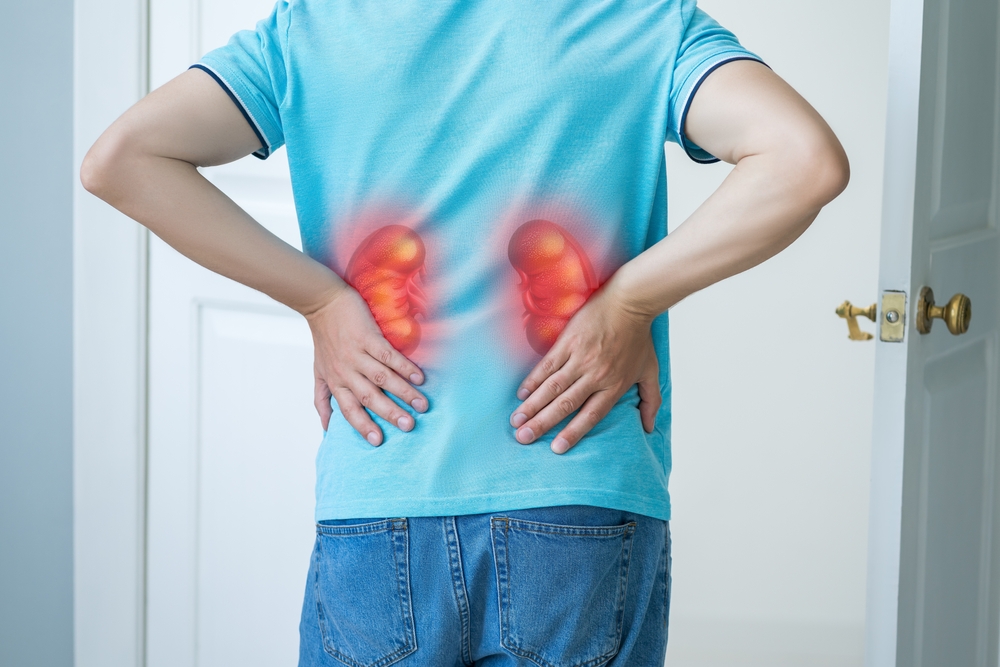
Causes of Kidney Stones
Kidney stones develop when minerals and salts in urine become concentrated and crystallize, often due to dehydration, which reduces urine volume and promotes stone formation. Dietary factors such as excessive intake of oxalate-rich foods, salt, and animal proteins can increase the risk, while certain medical conditions like hyperparathyroidism and urinary tract infections also contribute. Genetic predisposition plays a role, as does obesity, which alters urine chemistry. Low fluid intake, high sodium consumption, and imbalanced calcium levels disrupt normal mineral balance, leading to stone formation. Environmental factors, such as living in hot climates causing excessive sweating, further exacerbate dehydration, creating ideal conditions for kidney stone development. Sedentary behavior and obesity alter metabolic processes, increasing stone risk, while environmental factors like high temperatures promote fluid loss and concentration of stone-forming substances. Poor hydration, excessive protein intake, and chronic dehydration are significant contributors, emphasizing the importance of balanced diet and adequate fluid consumption in prevention strategies.
Symptoms of Kidney Stones
Kidney stones often present with a range of symptoms that can vary in intensity depending on the size and location of the stone.
- Severe pain is the most common symptom, typically experienced in the back or side, radiating to the groin or lower abdomen, often described as sharp, cramping, or throbbing.
- Patients may also experience hematuria, or blood in the urine, which can cause the urine to appear pink, red, or brown.
- Nausea and vomiting frequently occur due to the intense pain and irritation of the urinary tract. Persistent urge to urinate or a feeling of incomplete bladder emptying, even when only small amounts of urine are produced.
- Some individuals report a burning sensation during urination, indicating urethral or bladder involvement.
- Fever and chills can develop if an infection accompanies the stone, signaling a more serious complication.
- Changes in urine color, foul-smelling urine, or cloudy appearance may also be observed, indicating infection or debris from the stone.
- In cases where the stone causes obstruction, symptoms such as difficulty urinating or a weak urine stream may be evident.
Moreover, some people experience no symptoms until the stone moves or causes blockage, leading to sudden, intense pain. The unpredictable nature of symptoms underscores the importance of timely medical evaluation with the best urologist in Guntur for proper diagnosis and treatment.
Diagnosis of Kidney Stones
Diagnosing kidney stones involves a combination of patient history, physical examination, and imaging studies. Patients typically report severe flank pain, hematuria, and sometimes urinary symptoms. Initial tests at urology hospitals in Guntur include urinalysis to detect blood, infection, or crystalluria. Imaging techniques such as non-contrast helical CT scan are considered the gold standard for detecting stones, providing detailed visualization of size and location. Ultrasound is a radiation-free alternative ideal for pregnant women and children, though less sensitive for small stones. Blood tests may identify metabolic abnormalities contributing to stone formation, such as hypercalcemia or hyperuricemia. Accurate diagnosis guides appropriate management and prevents complications.
Treatment of Kidney Stones
- Hydration: Increasing fluid intake, especially water, helps dilute urine and prevent stone formation, facilitating the passage of small stones.
- Pain Management: Analgesics such as NSAIDs or opioids are used to alleviate severe pain during stone passage.
- Medical Therapy: Alpha-blockers like tamsulosin relax ureter muscles, aiding in the expulsion of stones; medications like thiazide diuretics may reduce calcium excretion in certain cases.
- Extracorporeal Shock Wave Lithotripsy (ESWL): A non-invasive procedure that uses shock waves to break larger stones into smaller fragments, making them easier to pass.
- Laser Treatment of Kidney Stones: Also known as laser lithotripsy, laser treatment for kidney stones in Guntur uses focused laser energy to break stones into smaller fragments for easier removal.
- Ureteroscopy: A minimally invasive technique where a thin scope is inserted through the urethra to directly remove or fragment stones in the ureter or kidney.
- Percutaneous Nephrolithotomy (PCNL): An invasive surgical method used for large or complex stones, involving a small incision to extract stones directly from the kidney. Kidney stone surgery in Guntur offers advanced minimally invasive options, ensuring quick recovery and effective relief from painful stones.
- Dietary Modifications: Reducing intake of oxalate-rich foods, salt, and animal proteins; increasing citrate-rich foods like citrus fruits to prevent stone formation.
- Prevention Strategies: Long-term measures include maintaining adequate hydration, managing metabolic abnormalities, and regular monitoring to prevent recurrence.
Discover compassionate and expert care at Aswani Nursing Home for kidney stone treatment, led by the renowned Dr. Maddineni Ramesh Krishna. Our state-of-the-art facilities and personalized approach ensure effective relief and recovery, helping you regain your health and comfort swiftly. Trust our dedicated team to provide painless, minimally invasive procedures and comprehensive post-treatment support. Choose Aswani Nursing Home for expert care, compassion, and a healthier tomorrow. Call us today to schedule your consultation!